The Cultural Heart of Spain
Andalusia stands as the cultural cornerstone of Spain, where centuries of diverse influences have created a tapestry of traditions unlike anywhere else in Europe. This southern region witnessed the rise and fall of numerous civilizations – from the Romans and Visigoths to the Moors and Christians – each leaving an indelible mark on its architecture, cuisine, and customs.

The Moorish legacy is particularly profound, visible in the breathtaking palaces, intricate geometric designs, and tranquil gardens that define cities like Granada, Córdoba, and Seville. After the Reconquista, Catholic monarchs added their own architectural splendor, resulting in a fascinating fusion of styles that tells the story of Spain’s complex history.
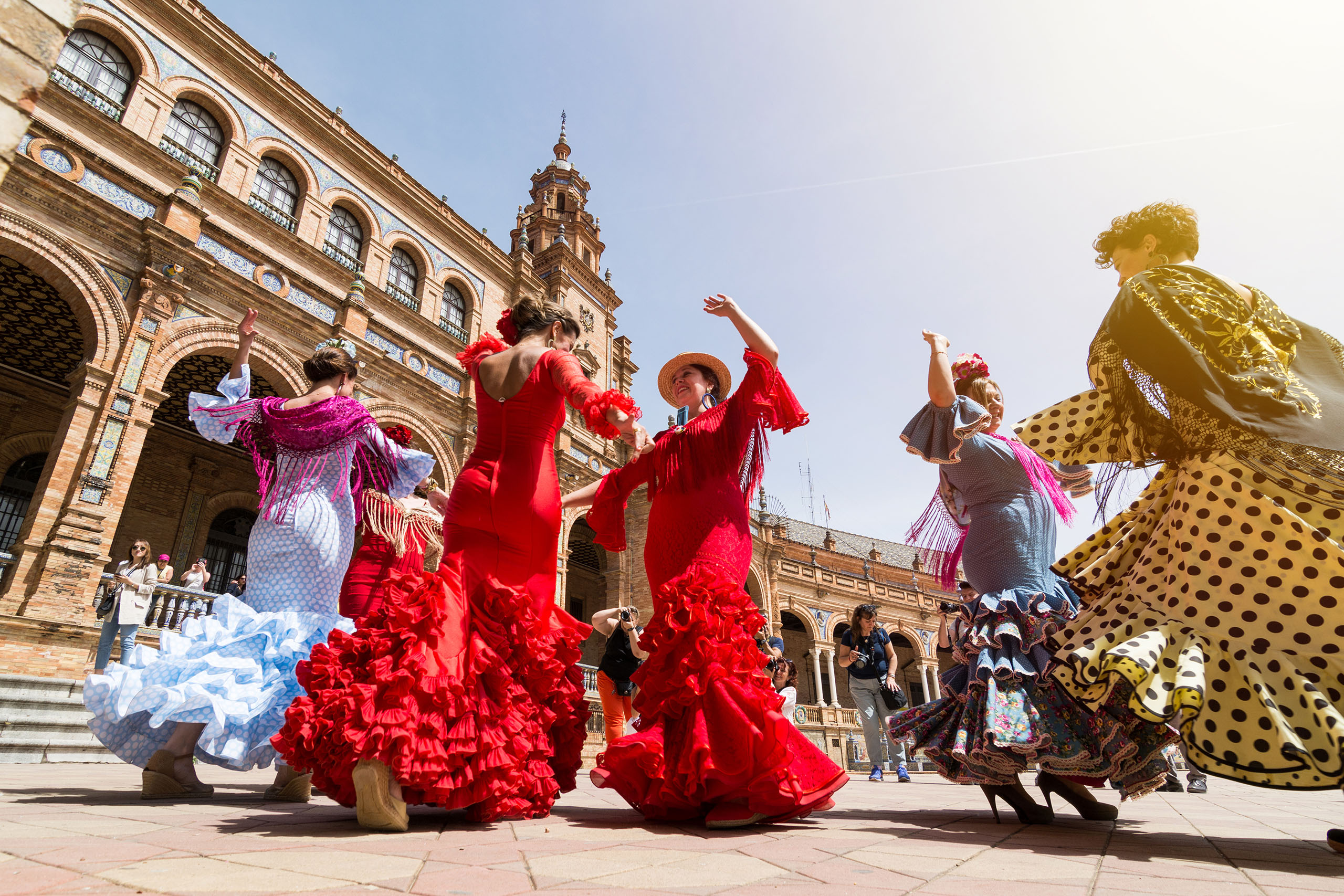
Andalusia is also the birthplace of flamenco, that soul-stirring expression of passion through music, song, and dance. This art form emerged from the region’s marginalized communities and evolved into one of Spain’s most recognized cultural exports. Today, you can experience authentic flamenco performances in intimate venues throughout the region.
Top 5 Must-Visit Destinations in Andalusia

1. Seville: The Passionate Capital
Seville embodies the essence of Andalusia with its grand architecture, vibrant street life, and passionate traditions. The city’s historic center houses three UNESCO World Heritage sites: the magnificent Cathedral (the largest Gothic cathedral in the world), the Real Alcázar palace complex with its stunning Mudéjar architecture, and the General Archive of the Indies.

Don’t miss the Plaza de España, an architectural masterpiece built for the 1929 Ibero-American Exposition, or the charming Santa Cruz quarter with its winding streets and flower-filled patios. April brings two of Seville’s most famous festivals: Semana Santa (Holy Week) and the Feria de Abril, when the city erupts in celebration.
2. Granada: Where Moorish Splendor Meets Sierra Nevada
Granada’s crowning glory is the Alhambra, a breathtaking palace-fortress that represents the pinnacle of Moorish architecture in Spain. This UNESCO World Heritage site features intricate stucco work, peaceful courtyards, and the serene Generalife gardens. The view of the Alhambra against the backdrop of the snow-capped Sierra Nevada mountains creates one of Spain’s most iconic vistas.

Beyond the Alhambra, explore the atmospheric Albaicín neighborhood, the old Moorish quarter with its narrow streets and spectacular viewpoints. The nearby Sacromonte district is famous for its cave dwellings and flamenco traditions. Granada is also unique for its generous tapas culture – order a drink and receive a complimentary plate of food.
3. Córdoba: City of the Great Mosque
Córdoba reached its zenith during the 10th century as the capital of the Caliphate of Córdoba. Its most remarkable monument is La Mezquita, a vast mosque-turned-cathedral that showcases an extraordinary forest of columns and horseshoe arches. The building’s evolution from mosque to cathedral offers a physical representation of Spain’s complex religious history.

The city’s Jewish Quarter (Judería) features the only synagogue in Andalusia that survived the expulsion of 1492. May brings the Festival of the Patios, when residents open their flower-filled courtyards to the public, creating a riot of color and fragrance throughout the old town.
4. Málaga: Coastal Culture and Picasso’s Birthplace
Málaga has transformed from a gateway to the Costa del Sol into a cultural destination in its own right. As Picasso’s birthplace, the city houses an excellent museum dedicated to the artist. The renovated port area, historic center, and impressive Alcazaba fortress make Málaga worthy of several days’ exploration.

The city offers excellent museums, including the Centre Pompidou Málaga and the Carmen Thyssen Museum. Málaga’s beaches provide a perfect place to relax after cultural explorations, while the local cuisine specializes in fresh seafood, particularly “espetos” (grilled sardine skewers).
5. Ronda: Dramatic Cliffs and Bullring History
Perched dramatically above a deep gorge, Ronda captivates visitors with its spectacular setting and historic significance. The Puente Nuevo (New Bridge) spans the 100-meter-deep El Tajo gorge, connecting the old Moorish town with the newer parts of the city.

Ronda houses Spain’s oldest bullring, the Plaza de Toros, which dates back to 1785 and is considered the birthplace of modern bullfighting. The city’s location makes it an excellent base for exploring the white villages (pueblos blancos) that dot the surrounding mountains.
Andalusia’s Major Cities at a Glance
Planning your Andalusian journey requires understanding the unique characteristics of each major destination. This comparison will help you determine which cities best match your interests and available time.
| City | Climate | Main Attractions | Best Time to Visit | Known For |
| Seville | Hot summers (up to 40°C), mild winters | Cathedral, Real Alcázar, Plaza de España | March-May, October-November | Flamenco, Feria de Abril, tapas culture |
| Granada | Hot summers, cold winters with snow possible | Alhambra, Albaicín, Generalife Gardens | April-June, September-October | Moorish architecture, free tapas, Sierra Nevada |
| Córdoba | Very hot summers, mild winters | La Mezquita, Jewish Quarter, Alcázar | March-May (Festival of Patios in May) | Moorish history, flower-filled patios |
| Málaga | Mild year-round with 300+ days of sunshine | Picasso Museum, Alcazaba, beaches | April-June, September-October | Beach culture, art museums, seafood |
| Ronda | Hot summers, cooler due to elevation | Puente Nuevo, Plaza de Toros, Arab Baths | April-June, September-October | Dramatic setting, bullfighting history |
Savoring Andalusian Cuisine
Andalusian gastronomy reflects the region’s rich history and agricultural abundance. From coastal seafood to mountain-cured hams, the local cuisine offers a delicious journey through Southern Spain’s diverse landscapes.

Iconic Andalusian Dishes
Gazpacho
This cold soup made from blended raw vegetables (primarily tomatoes, peppers, cucumber, and garlic) originated as a way for field workers to stay cool and nourished during hot summer days. The refreshing dish is now enjoyed throughout Spain but remains quintessentially Andalusian.

Salmorejo
Córdoba’s contribution to cold soups is thicker than gazpacho, made primarily with tomatoes, bread, olive oil, and garlic. It’s typically garnished with diced Iberian ham and hard-boiled eggs, creating a more substantial dish that can serve as a main course during hot weather.

Jamón Ibérico
The prized Iberian ham from black-hoofed pigs raised on acorns in the mountains of Huelva and Córdoba provinces is considered among the world’s finest cured meats. The complex flavor develops during a lengthy curing process that can last up to four years.

Pescaíto Frito
This “little fried fish” specialty from the coastal areas features various small fish and seafood lightly coated in flour and quickly fried in olive oil. The result is crispy on the outside and tender within, typically served with lemon wedges and often enjoyed with a cold beer or local wine.

Liquid Gold: Olive Oil and Sherry
Andalusia produces some of the world’s finest olive oils, particularly in Jaén province, where vast olive groves stretch to the horizon. This “liquid gold” forms the foundation of Andalusian cooking, used generously in almost every dish.

The region is also famous for its fortified wines, particularly sherry from Jerez de la Frontera. Visit the bodegas (wineries) to learn about the solera system used to age these distinctive wines, which range from bone-dry Fino and Manzanilla to sweet Pedro Ximénez.
Seasonal Travel Tips for Andalusia Tourism
Andalusia’s climate varies significantly throughout the year, with scorching summers and mild winters. Understanding the seasonal patterns will help you plan the optimal time for your visit based on your interests and tolerance for heat or crowds.

Spring (March-May): Festival Season
Spring offers ideal weather for exploring Andalusia, with comfortable temperatures and blooming landscapes. This season hosts some of the region’s most spectacular festivals:
- Semana Santa (Holy Week): Elaborate processions with ancient religious brotherhoods carrying ornate floats through the streets. Seville’s celebrations are the most famous, but Granada and Málaga also host impressive events.
- Feria de Abril (April Fair): Seville’s vibrant spring festival featuring casetas (tents), flamenco dancing, traditional dress, and horseback parades. The fairground transforms into a small city of festivities.
- Cruces de Mayo (May Crosses): Granada and Córdoba celebrate with flower-decorated crosses displayed throughout the cities, accompanied by music and dancing.
- Festival of the Patios: Córdoba’s UNESCO-recognized festival where residents open their flower-filled courtyards to the public, creating a spectacular display of color and traditional architecture.
Summer (June-August): Sun and Coastal Retreats
Inland Andalusia experiences extreme heat in summer, with temperatures regularly exceeding 40°C (104°F) in cities like Seville and Córdoba. This season is best for:
- Coastal escapes to the beaches of Costa del Sol, Costa de la Luz, or Almería
- Early morning or evening visits to major attractions to avoid midday heat
- Summer festivals like the Granada International Festival of Music and Dance
- Mountain retreats in the Sierra Nevada or Alpujarras, where temperatures are more moderate

Autumn (September-November): Perfect Exploration Weather
Many consider autumn the ideal time to visit Andalusia. The summer crowds have dispersed, temperatures become pleasant, and the landscape takes on golden hues. This season is perfect for:
- Exploring cities without the extreme heat or crowds
- Hiking in natural parks like Sierra de Grazalema or Cabo de Gata
- Wine harvest festivals in the sherry-producing regions
- Photography, as the light becomes softer and more flattering
Winter (December-February): Off-Season Advantages
Winter in Andalusia is mild compared to northern Europe, making it an attractive off-season destination. Benefits include:
- Significantly fewer tourists at major attractions
- Lower accommodation prices and better availability
- Comfortable temperatures for city exploration (though evenings can be chilly)
- The unique opportunity to ski in the Sierra Nevada in the morning and visit the beach in the afternoon
- Christmas traditions and Three Kings celebrations in January

Practical Travel Advice for Andalusia Tourism
Navigating Andalusia efficiently requires some practical knowledge about transportation options, accommodation choices, and local customs. This section provides essential information to help you plan a smooth and enjoyable journey through Southern Spain.
Getting Around Andalusia
Andalusia offers various transportation options to suit different travel styles and budgets:
By Train
Spain’s high-speed AVE train network connects major Andalusian cities with Madrid and each other. The journey from Madrid to Seville takes just 2.5 hours, while Córdoba is only 1 hour and 45 minutes away. Regional trains and the slower, cheaper AVANT services connect smaller destinations.

By Car
Renting a car offers the most flexibility, especially for exploring rural areas, white villages, and natural parks. Andalusia has excellent highways (autopistas) connecting major cities, while scenic routes wind through mountains and countryside. Note that navigating historic city centers can be challenging, so consider parking outside and using public transportation.

By Bus
An extensive bus network serves destinations not covered by trains, often at lower prices. Companies like ALSA connect major cities and smaller towns. Buses are comfortable and reliable, making them a good option for budget travelers.
Internal Flights
Andalusia has international airports in Seville, Málaga, Granada, Jerez, and Almería. Internal flights can save time when traveling between distant points, though they’re generally more expensive than ground transportation.
Accommodation Options
Andalusia offers lodging options for every budget and preference:
Luxury
Historic paradores (state-run luxury hotels often in historic buildings), five-star hotels, and boutique properties in restored palaces. The Alfonso XIII in Seville and the Parador de Granada within the Alhambra complex offer exceptional experiences.
Price range: €200-500+ per night
Mid-range
Comfortable hotels, often in renovated historic buildings, with traditional Andalusian courtyards. Many feature rooftop terraces with views of major monuments. Boutique hostales (not to be confused with hostels) offer character and comfort.
Price range: €70-200 per night
Budget
Hostels, guesthouses, and budget hotels provide clean, basic accommodations. University towns like Granada offer particularly good budget options. Consider staying in smaller towns near major destinations for better rates.
Price range: €20-70 per night
Language and Communication
While English is widely spoken in tourist areas, learning a few basic Spanish phrases will enhance your experience and is appreciated by locals. Andalusian Spanish has a distinctive accent that may differ from textbook Spanish, with certain consonants softened or dropped.
Timing Your Day
Andalusians follow a different daily rhythm than many visitors might be accustomed to:
- Lunch (la comida) is typically eaten between 2:00-4:00 PM
- Many shops close for siesta from approximately 2:00-5:00 PM, especially in smaller towns
- Dinner rarely starts before 9:00 PM, with restaurants busiest around 10:00 PM
- Plan major sightseeing in the morning and late afternoon, avoiding the midday heat


Essential Resources for Planning Your Andalusia Tourism Experience
Planning a memorable journey through Andalusia requires reliable information and practical resources. This section provides tools to help you create the perfect itinerary based on your interests, time constraints, and travel style.
How many days should I spend in Andalusia?
The ideal duration depends on your interests and which areas you want to explore:
- 5-7 days: Focus on the “Golden Triangle” of Seville, Córdoba, and Granada, with perhaps a day trip to a white village.
- 10-14 days: Add Málaga, Ronda, coastal areas, and more in-depth exploration of natural parks and smaller towns.
- 2+ weeks: Comprehensive coverage including lesser-visited provinces like Huelva, Jaén, and Almería, with time to experience local life at a relaxed pace.
What’s the best way to travel between cities in Andalusia?
For major cities (Seville, Córdoba, Málaga), high-speed trains offer the fastest and most comfortable option. Renting a car provides flexibility for exploring rural areas, white villages, and natural parks. Buses connect smaller towns and are economical but slower. Consider a mixed approach: train between major cities and rental car for specific regions.
When should I book tickets for the Alhambra?
Book Alhambra tickets as far in advance as possible—ideally 2-3 months before your visit, especially during high season (April-October). A limited number of tickets are released each day, but these sell out quickly. If official tickets are unavailable, guided tours sometimes have their own allocation and can be a last-minute option, though at a premium price.
Sample Itineraries
These suggested routes can be customized based on your interests and available time:
Classic Andalusia (7 Days)
- Days 1-2: Seville (Cathedral, Alcázar, Plaza de España)
- Day 3: Córdoba day trip (Mezquita, Jewish Quarter)
- Days 4-5: Granada (Alhambra, Albaicín, Sacromonte)
- Day 6: Ronda (Puente Nuevo, bullring, old town)
- Day 7: Málaga (Picasso Museum, Alcazaba, beach)
Cultural Deep Dive (10 Days)
- Days 1-3: Seville (add flamenco show, Triana district)
- Day 4: Jerez de la Frontera (sherry bodegas, horse show)
- Day 5: Cádiz (cathedral, old town, beaches)
- Day 6: Córdoba (add Medina Azahara archaeological site)
- Days 7-8: Granada (add Charterhouse, Cathedral)
- Day 9: Úbeda and Baeza (Renaissance architecture)
- Day 10: Málaga (add Centre Pompidou, local cuisine)
Nature and Villages (7 Days)
- Days 1-2: Seville (brief city highlights)
- Day 3: Sierra de Grazalema (hiking, white villages)
- Day 4: Ronda and surroundings
- Day 5: Granada (Alhambra, brief city visit)
- Day 6: Alpujarras villages (traditional architecture)
- Day 7: Cabo de Gata Natural Park (beaches, volcanic landscape)

Embrace the Spirit of Andalusia
Andalusia captivates visitors with its intoxicating blend of architectural wonders, passionate traditions, diverse landscapes, and culinary delights. From the majestic Alhambra to the sun-drenched beaches of the Costa del Sol, from the flamenco tablaos of Seville to the white villages perched on mountain slopes, this region embodies the soul of Spain while maintaining its own distinctive character.
The true magic of Andalusia lies not just in its famous monuments but in the everyday moments: sipping sherry in a Jerez bodega, stumbling upon an impromptu flamenco performance in a Granada cave, watching the sunset paint the white villages gold, or savoring a perfect gazpacho on a hot summer day. These experiences create memories that linger long after your journey ends.
Whether you’re drawn by the region’s rich history, cultural traditions, natural beauty, or culinary excellence, Andalusia rewards travelers with authentic experiences and warm hospitality. As the Andalusian saying goes, “How lucky are those who have not yet seen Seville” – because the joy of discovering this enchanting region still awaits them.
