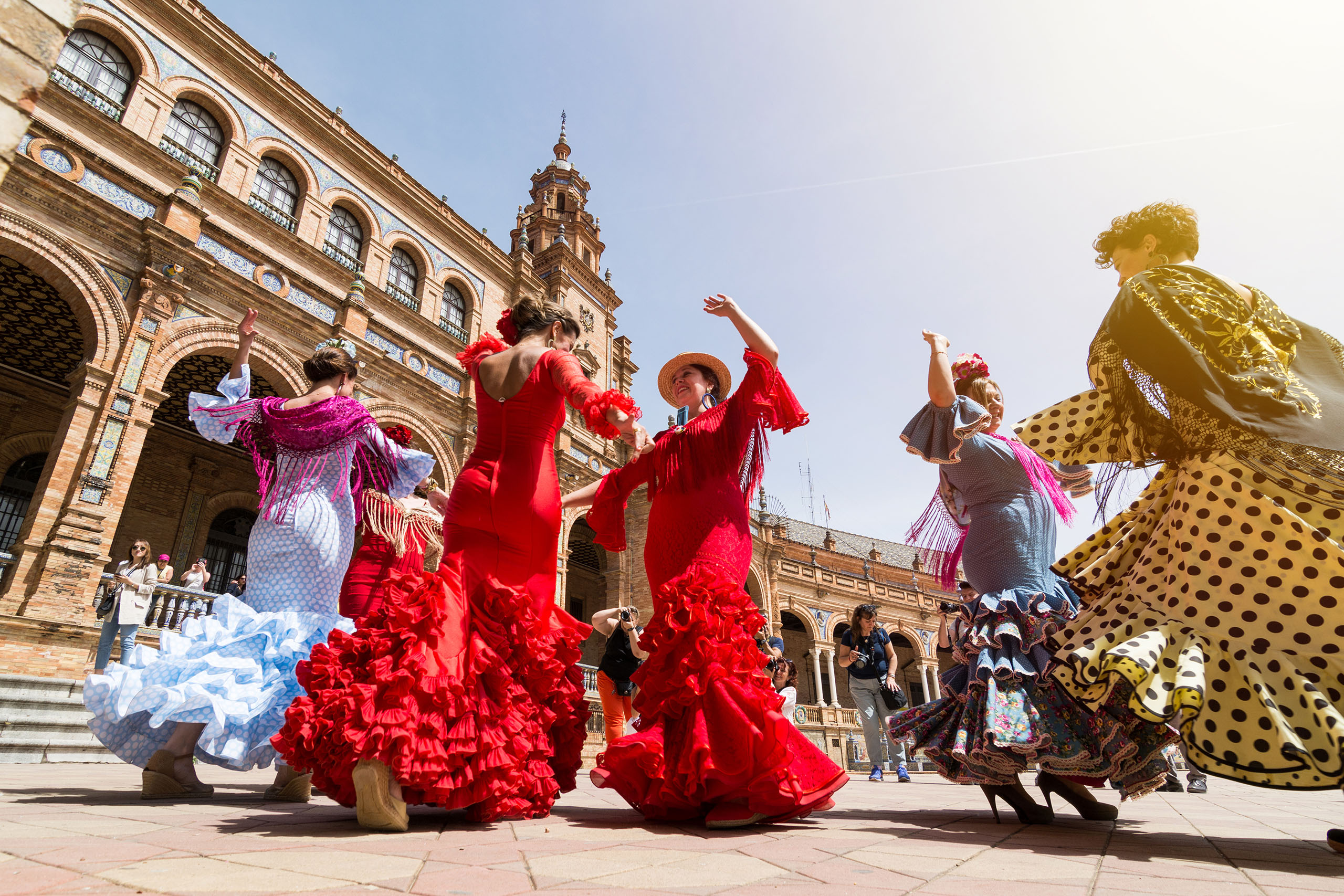
Nestled in the heart of northern Spain, Zaragoza stands as a captivating Spanish city often overlooked by international visitors. As the fifth-largest urban center in the country, this place boasts a rich tapestry of history and a vibrant, authentic atmosphere.
Its strategic position makes it an ideal stop on any trip. The high-speed train connects it to Madrid and Barcelona in just over an hour. This accessibility positions it as a perfect addition to a broader Spanish itinerary.
This guide aims to unlock the secrets of this remarkable destination. Visitors will discover a compact, walkable center filled with ancient Roman ruins, Moorish palaces, and stunning baroque architecture.
The local residents, known affectionately as maños, are renowned for their warm hospitality. The city is also celebrated as a top culinary destination, offering an unforgettable taste of authentic Spanish life away from the crowds.
Key Takeaways
- Zaragoza is a major yet underrated urban center in northern Spain with a population of nearly 700,000.
- Its location offers perfect connectivity, situated between Madrid and Barcelona with quick high-speed train links.
- The city serves as the capital of the Aragon region, one of the original kingdoms that formed Spain.
- Visitors can explore layers of history, from Roman and Moorish influences to Christian heritage.
- It provides an authentic Spanish experience with a welcoming local culture and renowned cuisine.
- The compact city center is highly walkable, making it easy to explore its many attractions.
Overview of Zaragoza’s Hidden Charm
The very name of this destination, Zaragoza, whispers its ancient past. It evolved from the Roman Caesaraugusta to the Moorish Saraqusta, each layer adding to its rich history.
This city remains one of Spain’s best-kept secrets. Visitors find an authentic glimpse into Spanish life, free from the crowds of larger tourist centers.
Its unique place as a geographical crossroads is key to its charm. Influences from Catalonia, the Basque Country, and Valencia converge here, creating a distinctive local culture.
The local people, the maños, are known for their warm hospitality. Their friendly nature makes guests feel genuinely welcomed.
As the capital of the Aragon region, the city holds significant political and cultural weight. Its architecture is a living museum, showcasing over two millennia of history.
Centuries-old plazas buzz with activity from morning to night. This vibrant rhythm offers a true taste of daily life in this remarkable city.
Essential Zaragoza Travel Tips
To maximize your experience in this remarkable urban center, understanding the optimal seasons is crucial. Autumn months provide the perfect climate for exploration.
September and October offer ideal conditions. Days remain pleasantly warm while evenings call for just a light jacket. This period avoids the intense summer heat that can overwhelm outdoor activities.
October stands out as particularly special. The Fiestas del Pilar transforms the entire city into a vibrant celebration. Visitors witness spectacular parades, flower offerings, and breathtaking fireworks.
“The autumn atmosphere here creates magical moments that linger in memory long after departure.”
A 2-3 day stay allows for comprehensive exploration. This duration comfortably covers major attractions, museums, and the renowned culinary scene. The compact nature of the historic center makes everything easily accessible on foot.
| Season | Weather | Crowds | Special Events |
|---|---|---|---|
| Spring (Mar-May) | Mild, occasional rain | Moderate | Easter celebrations |
| Summer (Jun-Aug) | Hot, dry | High | Outdoor festivals |
| Autumn (Sep-Oct) | Perfect, comfortable | Festival crowds | Fiestas del Pilar |
| Winter (Nov-Feb) | Cold, quiet | Low | Christmas markets |
The Casco Antiguo (Old Town) represents the top choice for accommodations. Staying here places visitors within walking distance of major sights and authentic local experiences. Booking ahead becomes essential during festival periods when demand peaks.
High-speed train connections make arrival straightforward. The city serves as an excellent base for exploring the broader Aragon region. This accessibility enhances its appeal as a strategic stop on any Spanish itinerary.
Discovering the Iconic Basilica del Pilar
The Basilica del Pilar commands attention as the city’s most revered landmark. Its towering presence overlooks the expansive plaza below. This magnificent building serves as both spiritual center and architectural masterpiece.
Historical Significance and Religious Legends
According to sacred tradition, the Virgin Mary appeared to the Apostle James in 40 AD. She arrived standing on a jasper pillar, offering comfort during his mission. This event established the site as the first church dedicated solely to Mary.
The current structure dates to the 17th century, replacing a Gothic church lost to fire. Its rich history includes a miraculous survival during the Spanish Civil War. Two bombs fell inside but never exploded, remaining on display today.
Architectural Highlights and Interior Art
The basilica represents a stunning example of Spanish Baroque architecture. Its massive scale makes it one of Spain’s largest cathedrals. The interior showcases magnificent Renaissance works and frescoes by Francisco de Goya.
Visitors can admire the exquisite alabaster altar and vibrant ceiling paintings. The plaza del pilar surrounding the basilica provides the perfect setting. This expansive square hosts the famous October 12th celebrations.
During the Fiestas del Pilar, the place transforms into a spectacular floral offering. Hundreds of thousands participate in this deeply moving tradition. The basilica’s tower elevator offers panoramic views of the entire plaza del pilar.
Exploring Roman Ruins & Caesaraugusta Heritage
The Roman legacy forms a foundational layer of this destination’s rich history. Founded in 14 BC by Emperor Caesar Augustus, Caesaraugusta became one of Roman Hispania’s most strategically important settlements. Its position on the Ebro River made it a vital port for trade and military operations.
Uncovering the Roman Walls and Forum
Visitors can admire an impressive 80-meter section of ancient Roman walls in the northwestern corner of Plaza del Pilar. These massive fortifications reveal the scale of the original imperial city. The remains stand as silent witnesses to centuries of history.
The Forum Museum showcases innovative preservation techniques within a striking modern building. Housed in an alabaster-paneled cube, it features advanced video projections that bring the ancient marketplace to life. This creative approach makes the ruins accessible to contemporary visitors.
The River Port Museum displays archaeological remains of commercial activities along the Ebro. Visitors discover evidence of fish salting operations and ceramic workshops that once thrived here. Each site tells a different story about daily life in the first century.
All five Roman monuments can be visited with a single ticket costing just 5.50 euros. This exceptional value allows history enthusiasts to explore the Theater, Thermae, and other sites comprehensively. The ancient remains integrate seamlessly with the modern city, creating a unique historical experience.
Uncovering Moorish Splendor at La Aljafería Palace
The golden age of Muslim rule in northern Spain finds its architectural expression at La Aljafería. This magnificent palace represents one of Spain’s most significant examples of Moorish architecture outside Andalusia.
Insight into Muslim Spain and Medieval Architecture
In the late 11th century, under Áhmad al-Muqtádir’s enlightened rule, the city flourished as a center of power, art, and culture. He constructed this spectacular fortress-palace as both defensive stronghold and leisure residence.
The building‘s imposing military exterior contrasts dramatically with its breathtaking interior. Intricate Islamic geometric patterns, delicate arches, and lush courtyards showcase refined Moorish architecture.
Throughout its history, the palace evolved from Muslim fortress to Christian royal residence. Today, it houses the Aragonese Parliament while preserving exquisite rooms and gardens for visitors.
Exceptional preservation transports guests to 11th-century Islamic Spain’s opulent world. This essential visit reveals Spain’s complex multicultural heritage.
Practical advice: Book tickets well in advance through the official website. This popular attraction sells out quickly, even during winter months.
Embracing Mudéjar Masterpieces with La Seo Cathedral
Standing proudly at the eastern end of Plaza del Pilar, La Seo cathedral reveals a unique architectural story. This magnificent building showcases the Mudéjar style, born when Muslim artisans continued working under Christian rule after 1118.

The exterior façade displays incredible geometric patterns using bricks and colored tiles. This intricate craftsmanship represents a fascinating synthesis of Islamic and Christian artistic traditions.
Inside, visitors discover a surprising contrast with soaring Gothic architecture. The cathedral embodies centuries of cultural evolution within its walls.
“The brickwork patterns demonstrate extraordinary skill where mathematical precision meets spiritual expression.”
UNESCO recognized this unique art form in 1986. The Mudéjar architecture of Aragon holds global significance as cultural heritage.
| Mudéjar Feature | Materials Used | Visual Characteristics | Other Examples |
|---|---|---|---|
| Facade Decoration | Brick, ceramic tiles | Geometric patterns | Church of San Pablo |
| Tower Design | Brickwork, plaster | Slender proportions | Several parish churches |
| Interior Details | Wood, plasterwork | Islamic influences | Various religious buildings |
Other notable Mudéjar structures include the Church of San Pablo with its elegant bell tower. These styles permeate the city‘s architectural landscape.
When visiting, look closely at the façade details. The remains of medieval craftsmanship offer glimpses into 12th-century artistic innovation. This cathedral stands as a premier example of cultural fusion.
Wandering Through Vibrant Plazas and Courtyards
Spanning an impressive 24,000 square meters, the main square stands as one of Spain’s largest public spaces. This expansive plaza del pilar serves as the vibrant heart where city life unfolds from morning coffee rituals to late-evening social gatherings.
The vast plaza del pilar accommodates multiple churches, monuments, and even underground archaeological remains. Street performers entertain crowds while the reflecting pool provides a picturesque focal point for relaxation.
Plaza del Pilar and Bustling City Life
Beyond the main plaza del, visitors discover hidden Renaissance courtyards behind modest street facades. Wealthy 16th-century merchants displayed prosperity through ornate interior patios, creating a tradition of magnificent architectural spaces.
La Lonja represents an architectural gem with free access to temporary exhibitions. This magnificent building features a spectacular Renaissance interior that makes it a must-visit cultural venue. The Palace of the Counts of Argillo now houses the Pablo Gargallo Museum, where Renaissance elegance meets modern sculpture.
The fascinating Patio de la Infanta journeyed to Paris and back before finding its current place in a bank building. Visitors can admire its exquisite architecture and impressive tapestry collection. Exploring smaller plazas reveals where locals gather at neighborhood restaurants for authentic daily life experiences.
Savoring Authentic Tapas in El Tubo and Beyond
Among Spaniards, this city holds a legendary status as one of the country’s premier destinations for tapas enthusiasts. The culinary scene here rivals even the most celebrated food cities in Spain.
El Tubo serves as the epicenter of this vibrant food culture. This labyrinth of narrow streets transforms into a gastronomic playground each evening.
Local Tapas Recommendations and Foodie Hotspots
The atmosphere becomes wonderfully chaotic at night—crowded, noisy, and thoroughly authentic. Groups of friends move from place to place, sampling each bar’s specialty tapas.
Must-try local delicacies include the beloved bocadillo de calamares and uniquely Aragonese creations. The intriguingly named Guardia civil sandwich offers a memorable taste experience.
| Tapas Specialty | Key Ingredients | Best For |
|---|---|---|
| Jamón Batido | Teruel ham, mayonnaise | First-time visitors |
| Croquetas de Jamón | Ham béchamel, breading | Comfort food lovers |
| Champiñones al Ajillo | Mushrooms, garlic | Vegetarian options |
Mercado Central stands as an essential foodie destination with beautifully restored architecture. Here, traditional market stalls coexist with modern restaurants.
Insider Tips for a Tapas Crawl Experience
For the authentic experience, stand at the bar rather than taking tables. This puts you shoulder-to-shoulder with locals participating in the social ritual.
Historic establishments like Casa Lac offer traditional interpretations, while innovative spots like Méli Melo provide creative twists. This guide helps visitors experience both sides of the culinary culture.
The tapas scene provides not just outstanding food but a genuine window into daily life. Understanding these customs becomes an indispensable part of appreciating the local way of life.
Strolling Along the Ebro River and Modern Attractions
More than just a geographical feature, the Ebro River represents the lifeblood of the city, connecting its past with its present. As Spain’s most significant waterway, this mighty river has shaped Zaragoza’s identity for centuries.
Pleasant promenades line both banks, offering scenic routes for walking and cycling. The south bank reveals historic views, while the north showcases modern suburbs. This provides a unique way to experience the city‘s dual character.
Expo 2008 Legacy and Contemporary Architecture
The 2008 International Exhibition transformed the riverfront into a showcase of sustainable design. Most buildings from the event remain active today, including an aquarium and convention hall.
Zaha Hadid’s spectacular bridge pavilion now serves as a mobility museum. The futuristic Puente del Tercer Milenio spans 270 meters with dedicated pedestrian lanes. These structures exemplify world-class contemporary architecture.
Families enjoy the Luis Buñuel Water Park, open 24 hours in summer. Its interactive fountains and playgrounds offer natural respite from urban exploration. A leisurely stroll along the Ebro River provides the perfect place to observe local life.
Immersing in Art and Culture: Goya and More
Cultural exploration reaches its peak when visitors immerse themselves in the world of Francisco de Goya. Born in nearby Fuendetodos, this master painter represents Aragon’s most celebrated artistic son. His regional roots profoundly influenced his development into one of Spain’s greatest artists.
The urban center stands as the premier destination outside Madrid for experiencing Goya’s legacy. His works span his entire career, from early religious frescoes to mature masterpieces.
The Goya museum occupies a stunning Renaissance palace with an exquisite patio. Visitors trace the artist’s evolution through oil paintings, preparatory studies, and his complete engraving collection. This popular museum requires advance booking.
Art enthusiasts can discover Goya’s creations throughout the urban landscape. His magnificent frescoes adorn the Basilica del Pilar’s interior. A monument honoring him stands in the main plaza.
The Aragonese Institute of Contemporary art offers a striking modern counterpoint. Its glittering design houses sculptures by Pablo Serrano alongside works by Picasso and Warhol.
The Museum of Pablo Gargallo showcases an underappreciated 20th-century sculptor. His innovative creations deserve greater recognition among art lovers.
The comprehensive Museum of Zaragoza currently undergoes renovations. It will eventually display Roman mosaics, ceramics, and nineteen Goya paintings.
| Museum | Specialty | Key Features | Visitor Tip |
|---|---|---|---|
| Goya Museum | Early works & engravings | Renaissance palace setting | Book tickets online |
| Contemporary Art Institute | Modern sculptures | Pablo Serrano collection | Free admission |
| Pablo Gargallo Museum | 20th-century sculpture | Original sketches displayed | Combine with plaza visit |
This guide helps art lovers structure their cultural itinerary effectively. The local museums offer intimate viewing experiences compared to crowded metropolitan institutions. Visitors engage deeply with masterworks without battling crowds.
Navigating Zaragoza’s Markets and Everyday Life
Beyond monuments and museums, the true heartbeat of the city pulses within its main market. The Mercado Central provides an essential destination for experiencing authentic daily life where locals shop for fresh ingredients.
Housed in a beautifully preserved modernist building from 1903, this architectural gem was designed by local architect Félix Navarro Pérez. Recognized as both a National Historic Monument and Cultural Heritage Site, the structure itself is worth admiring.
Wandering through the stalls creates an immersive sensory experience. Vibrant colors of fresh produce mingle with aromas of local cheeses and cured meats. The lively banter of vendors adds to the authentic atmosphere.
This market perfectly balances tradition with modernity. It maintains its role as a genuine shopping venue while accommodating small restaurants serving market-fresh meals. Regional specialties shine here, particularly the city‘s renowned chocolate and products from across Aragon.
Engaging with vendors offers wonderful opportunities for cultural exchange. Knowledgeable people happily share insights about local ingredients and cooking traditions. This interaction provides deep insight into the local culture.
Consider assembling a gourmet picnic for nearby Parque Grande. The market’s convenient location next to Plaza del Pilar makes it easy to incorporate into any walking tour. This place demonstrates how modern life interweaves seamlessly with ancient monuments.
Planning Your Itinerary with Expert Local Advice
Navigating Spain’s lesser-known regions becomes significantly more rewarding with local expertise. Professional consultation services transform standard vacation planning into personalized cultural discovery.
These services connect travelers with specialists who possess deep regional knowledge. The right guide can reveal hidden gems that typical tourists miss entirely.

Benefits of a Spain Travel Consultation
Spain Less Traveled offers personalized one-hour Zoom sessions with Alfonso, their Northern Spain expert. During these consultations, he shares insider perspectives unavailable in standard travel books.
Custom itineraries are designed around specific interests like wine regions or cultural immersion. This approach ensures every trip aligns perfectly with individual preferences.
The service recently expanded consultation hours to accommodate international travelers. Visitors from Australia and New Zealand can now connect more easily across time zones.
Flexibility defines their service model. Some travelers want comprehensive planning support throughout their journey. Others simply need targeted advice for specific aspects of their visit.
Local expertise helps visitors avoid tourist traps in the Aragon region. Instead, they discover authentic experiences that match their personal interests.
A complimentary 15-minute discovery call helps match travel styles with appropriate service levels. This no-obligation conversation ensures the right fit before commitment.
Professional guidance proves particularly valuable for northern Spain exploration. This way of planning ensures maximum enjoyment of rewarding but lesser-known destinations.
Accommodations and Practical Travel Information
Strategic lodging selection transforms a simple trip into an immersive cultural journey. The ideal place to stay is the Old Town, where visitors find themselves surrounded by historic charm.
This central town location offers walking access to major monuments and vibrant plazas. Hotel Sauce provides family-run warmth with character-filled rooms. NH Gran Hotel blends historic architecture with modern amenities.
For alternative atmospheres, La Magdalena neighborhood offers residential tranquility. The Centro district features wide boulevards near the university. Both provide comfortable rooms at affordable rates.
Zaragoza Delicias station serves as a stunning gateway to the city. Its innovative design features triangular skylights flooding the space with natural light. This architectural marvel connects visitors efficiently to Madrid and Barcelona.
Booking accommodations in advance ensures the best selection, especially during October’s festivities. Consider proximity to public transportation and specific accessibility needs when planning your visit. This thoughtful approach enhances any urban exploration.
The right accommodation choice creates the perfect foundation for discovering this remarkable Spanish city. Each neighborhood offers a distinct way to experience local life and culture.
Discovering More Hidden Gems in Northern Spain
Beyond the urban energy lies a region rich with cultural and natural wonders waiting to be discovered. The surrounding areas of Aragon offer a remarkable diversity of landscapes and experiences.
Nearby Attractions and Day Trips
One of the most exceptional places for a day trip is the Monasterio de Piedra. This stunning site combines history, nature, and gastronomy. Visitors explore a historic monastery, walk alongside dramatic waterfalls, and can sample local wines.
For those fascinated by medieval history, the province of Teruel is essential. It features some of Spain’s most beautiful towns and exceptional Mudéjar architecture. This UNESCO-recognized style creates a unique atmosphere.
Adventure seekers will find Huesca province irresistible. The mighty Pyrenees offer breathtaking scenery and outdoor activities. It’s a perfect contrast to the urban experience.
Art enthusiasts should consider a visit to Fuendetodos, the birthplace of Goya. This small town provides a deep connection to the master painter’s origins.
The city‘s central location makes it an ideal base. One can experience diverse influences from across northern spain. Exploring these surrounding places adds incredible depth to any journey.
| Destination | Key Features | Best For |
|---|---|---|
| Monasterio de Piedra | Waterfalls, monastery, wine | Nature & history lovers |
| Teruel Province | Mudéjar towns, palace, ruins | Architecture enthusiasts |
| Huesca Pyrenees | Mountain scenery, hiking | Outdoor adventurers |
These things to see and do showcase the incredible variety within the region. From ancient museums to natural wonders, there are countless things to discover beyond the city limits.
Conclusion
What makes this Spanish city truly exceptional is how seamlessly it blends ancient heritage with vibrant contemporary life. As one of Spain’s most rewarding yet underappreciated destinations, it offers authentic experiences far from tourist crowds.
The urban landscape reveals layers of history, from Roman foundations through Moorish influences to modern development. Major monuments, world-class museums, and exceptional dining concentrate within a highly walkable center.
Visitors receive a warm welcome from locals whose genuine hospitality enhances every visit. The renowned tapas culture provides not just outstanding food but a window into social traditions.
Allocating 2-3 days allows meaningful engagement with this remarkable city. Expert planning assistance can maximize the experience and integrate it into broader northern Spain itineraries.
This destination promises an unforgettable trip where ancient history, stunning architecture, and exceptional cuisine create memories that last.